Categories
Snippet of My Life

Snippet Of My Life Episode 28 – A Matter Of Perspectives

1. Making Potions

Lily Allen once wrote in her MySpace, “Most people don’t know how to make love.”  I chuckled at her observation.  What if she is right?  What if most people simply mess things up in bed?  Is it profound or is it stupid?  My guitarist once told me that talents are innate in nature.  You either have it, or you don’t.  Combine the two, greatness in bed would only be for the special few.

If I could create a potion, I would make one that erases our knowledge of how to make love.  Better still, make us forget how to kiss too.  So every few months or so, we have to relearn and rediscover the joy of getting to know the how.  Now, think about it.  Really, think about it.  This forget-how-to-make-love (FH2ML) potion, you have got to admit, is a quite a jolly good idea.  I can’t think of any undesirable side effects.  Unless one is making a career out of …

OK, next topic.

2. Putting on Make-up

Every morning, there is a jam on part of the highway.  To kill time, besides chatting with Cynthia sitting next to me, I observe the things around me.   The debris on the highway resulting from previous crashes, the flowers and the plants on my right, the scratch marks and the dents on the railing that prevents us from banging onto the cars traveling from the opposition direction, and the access areas that I didn’t know they exist.   When you are moving at such snail speed, the time-space continuum seems to get punctured.  You tend to see the world around you in a whole new perspective.

One morning, stuck at a traffic jam, through the rear mirror, I saw a young girl putting on make-up while her partner was playing stop-and-go with me.   She has a face that resembles the seed of a melon (it is a Chinese compliment, trust me), a mouth that resembles the blossom of Sakura (again, a compliment).  Her hair is long and luscious, wavy and carefree.   Our cars were heading south so naturally, the morning sun shone through the passenger side of the windows perfectly lit up the subject of my observation.   So, that morning, in between the stop’s and the go’s, instead of the debris and the flowers, the plants and the scratch marks, I watched the girl inside a car behind my car powdering her face, coloring her cheeks.  I might have hallucinated on the application of her outer-V.  But for sure, I saw her curling her eyelashes.   Left first, and then right, checking the mirror in between with subtle smiles of satisfaction.   That transformation – of which women putting on make-up (almost) daily – a transformation from which a natural form of raw beauty turns into an art of color and vibrancy that blends into the clothing they wear, into the four seasons, and sometimes, into the festive occasions.  I do the little I can in return.  I stop, and admire.

Of the many forgettable morning rides (memorable rides often involves some terrible road accidents or massive jams due to fallen trees or some drivers doing something very stupid on the road), I enjoy watching the girl putting on make-up through my rear mirror that one morning.

3. Business Class versus Economy Class

My company forbids me to share pictures of my workplace online.   But it does not seem to forbid me writing about it, so long as I make it clear that my view does not represent the view of my company.  So here we go.

Some friends tease me that I now work in a factory, which may not be far from the truth.  Consider that all skill sets get commoditized over time, I could well be a modern day farmer, or a modern day meat packer.   I believe that so long as we keep ourselves productive – in return – our society takes care of our daily needs.  And if I am properly clothed and fed, I am happy.  How my friends’ perceive I making a living does not affect me.   I work on the third floor.  Our canteen is on the sixth floor at the rooftop partially exposed to the sun and the rain.  From six o’clock onwards, our main lobby is transformed into a mini-bus terminal.   Private buses from a public bus company, school buses from an university, and shiny buses from a casino – all eager to earn some extra cash by fetching our staffs home.  Paid by my company.

I cannot say in certainty how many people we have in our department versus how many desks that are allocated to our department.   I suspect we have lesser desks than we would like (collective wisdom somewhere in my company observes that not everyone works in office everyday).  We – as corporate citizens – are given a mechanism to book seats online.  And we – as human beings – tend to be territorial when it comes to workspace.  Some of my colleagues prefer to sit at the allocated hot desk area.  I am a peace lover.  And I hate to bump people out of their seats, or get bumped for that matter.   So I prefer to sit at the landing area that contains rows and rows of long wooden benches with movie director type of seats up for grab on a first-come-first-serve basis.   Not many like the landing area, especially the full time staffs.   It is an area for our vendors who do not have a designated sitting area.  It is cramp with seats that cannot be adjusted.  It is next to the pantry.   One time, over the phone, a friend of mine overheard the clinking sound from the mugs and kitchen utensils and he asked, “Are you working in a restaurant?”  In any case, I love the vibe in the landing area.   People are friendly.  The best things I love are the windows.  I enjoy natural daylight and I enjoy watching the planes fly by.   In a good day, through the windows, I can see many planes in different shapes, silently coming down in different speed.  FedEx planes, Singapore Airline planes, planes with logos that I don’t recognize, private planes.   The only type of plane I do not see is warplane.   You should try to catch a glimpse of a plane landing under a heavy raining condition.  What a majestic sight!  A modern day giant bird coming down from the heaven, a rainy heaven.

Whenever my good friend at work and I part from our meal breaks, at the lift lobby, I often joke with her, “Now you go back to your business class while I return to my economy class!”   She prefers to work at the department’s designated area if she can.  And I, by the windows.

4. I Feel for You Man

Our Spanish teacher has been expecting a baby, for five months.  I got shocked out of my socks, figuratively.   I mean, if she did not announce, I would not have noticed.  OK, she looks – how shall I say – fuller overall.   But I guess I was not paying attention to the right area – her tummy.   I mean, most women have a bit of tummy here and there and that is OK.   Yes?

Onto the ninth lesson of this season, we are taught the difference between ”˜para’ and ”˜por’ in Spanish.  I suppose many students find that confusing.  I often pick the wrong one.  It turns out that for aim and purpose such as “I did it for love”, we use para.   To address someone such as “Guns are not for kids”, we use para.   To indicate a deadline or a specific location, we use para.  So, when do we use por?   One lollipop for each bull eye shot, that is por.   One lollipop per kid, that is por.   To indicate an unspecified location – be it as time or space – we use por.   The expression of “through which” and “because of”, it is por (I did it for [para] love, I did it because of [por] love … so now you get the drift?)

To help us to internalize ”˜para’ and ”˜por’, our teacher asked each of us to take on a sentence with a missing word.  To guess if the missing word should be a para or a por.  It is 50-50 really.  One girl got a sentence with three missing words and she got it all correct.  Respect!  Girls are better at languages.  That is an indisputable fact.  When it came to my turn, Cynthia on my right helped me out.  Next, when it came to my good buddy’s turn, he struggled.  I too struggled.  Out of nowhere, Spanish words poured out of my mouth, “Lo siento para ti, tío” that literally means “I feel for you man”.  OK, I used por instead of para.  Even Google Translate gets it wrong, I found out today.   But I am surprised on what I randomly made up in class makes Spanish sense (”˜lo siento’ also means ”˜I am sorry’).

In Spanish, mañana means morning.  And it also means tomorrow.  So how to say ‘tomorrow morning’ in Spanish then?  Mañana por la mañana.

Categories
Book Reviews Fiction

Lovers In The Age Of Indifference By Xiaolu Guo – Neat, Witty, And Melancholy

How effortless Xiaolu Guo has turned indifference into art!  In this collection of 17 short stories of vastly different styles, a few themes persist.  Indifference is one.  And then there are lovers in love, not in love; a prominent linkage to China with geographic locations within China, outside China.  While it is difficult to feel for the characters – short stories after all – especially when the characters do not usually love themselves or others (that is indifference for you!), I am loving Guo’s writing style.  So neat and concise, with a filmography touch.  There is subtle humor in “Lovers In The Age Of Indifference” too.  Often linked to observations through the Chinese eyes.  For example, one story is titled “Winter Worm Summer Weed”.  I starred at the title for like five seconds before I got what she was trying to say.  It is a literal translation of a Chinese herb called “冬蟲夏草”, which is Cordyceps Sinensis in English.  I think Guo’s translation tickles me more.  Her humor extends beyond literal translation.  Take a look at the excerpt below.  It takes place in the morning over breakfast, the narrator is a Chinese girl and she lives with her French boyfriend Pierre in UK.  I chuckled at the punch line, still do.

Pierre has made coffee, and bread is in the toaster.  He has also bought some goat’s cheese from a nearby French deli.  Pierre always complains he can’t find good cheese in London, and when he occasionally does it costs the price of a cinema ticket.  I don’t care about cheese – I think it’s a bit crazy to talk about cheese all the time, it’s like talking about cow’s tits.  I don’t really care about bread either.  Brown or white, what’s the difference?  It’s all made from the same crops.  I’m Chinese.  We eat better stuff than that.

In “Lovers”, some stories are written in email, text message, or letter style.  Some are narrated through different characters, different locations, or different timestamps.  There is even an epic loveless love story cut out from a well-known Chinese legend.  It is hard for me to pick my favorite short story.  It has to be either “Beijing’s Slowest Elevator” – a story of a karaoke mistress, a young man from the thirtieth floor, and an elevator going up, and down – or “Anywhere I Lay My Head” – a story of a school teacher, her boyfriend, her ex-boyfriend, and her ex- ex-boyfriend’s apartment.  Both stories are told as a single day event.  Come to think of it, I like “Anywhere I Lay My Head” better, a more romantic story in a melancholy sense.  If you have read the book, what about you?  Which one is your favorite story?

Categories
For the Geeks

Extended Hands-on With Sony Ericsson Xperia X8

Previously, I did an article for Sony Ericsson X10 Mini Pro.  This time, they sent me their latest Xperia X8 wireless phone for review.  I don’t envy the wireless phone manufacturers.  To satisfy the mass market requirements – which at times contradicting to one another – must be hard.  I have my preferences.  Who doesn’t?  But as a candid reviewer, it is my job to ask around and understand the alternative perspectives and present the phone as it is.  For instance, some friends of mine prefer virtual keyboard to a physical QWERTY one.  They claim it is faster to type a message although I have my reservation.  For instance, some pick a phone based on how big the application icons appear.  And for instance, I would prefer to be able to set an alarm clock in the evening, switch off the phone, and my phone would ring in the next morning.  But some think it is not necessary and they’d rather leave the phone switched on the whole night.  One thinks it is a deal breaker if the phone does what I prefer.  To him, a phone switched off is a phone switched off.  No alarm, nothing.

After experiencing Sony Ericsson Xperia X8 for a couple of weeks, I have written an article for sharing.  For those who are looking for a one- or two-liner of what I think, Xperia X8 is a fun entry level Android smartphone with an appealingly light and small form factor.  Its decent battery life is convenience for those who are constantly on the go.

  • To continue reading, please click here.
Categories
Whacky Thoughts

Sea Turtles, I “AMP” You!

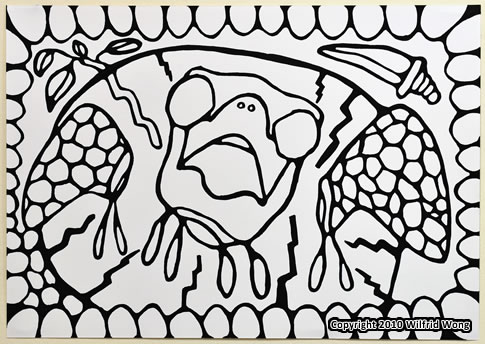
It is time like this when I feel like I am staring in the movie “Troy”.  Not as Brad Pitt of course, but rather one of the many soldiers who gets his point-one second of camera time.   But that is OK.  As someone who is reborn into this new generation of whoever participates wins, I am happy to contribute, fully aware of the likely outcome.   For yet another contest this time invited by HP, I hope the panel of judges will get what I am trying to say (sometimes even I don’t).  We know how the last contest turned out.  So I am going to stick with the drawing bits and leave out the music bits.   The title of this drawing is “A Sea Turtle Butchered – What Santa could do with the help from Wilfrid who in turn needs some money from HP to make a difference”.

One folklore goes something like this: For many years, the inhabitants of the underwater village Da’Touk Thump have lived a relatively peaceful time.  They spend most of the time frolicking in the sea, eating jelly fish, and mowing sea grass.   Once in a while, some females get knocked up and they take care of their “business” on dry land, away from Da’Touk Thump.   No one knows why eggs have to be laid in a place so far away.   But the sea turtles are not complaining.  They treat it as a seasonal holy pilgrimage.   Religion always manages to explain all the unknown unknowns, even for the sea turtles.

No one knows how the bipeds come into existence.   One sea turtle legend goes something like this: Once upon a time, there was a royal dispute in Da’Touk Thump.  Two princesses were fighting for the throne and eventually, Princess Ho’Mos-Api was ousted out of the palace.   Feeling the rage inside her turtle shell, she heaved herself out of the sea and vowed never to return.   Once she reached the shore, with super-turtle effort, Ho’Mas-Api yanked herself out of the shell.  And the unthinkable happened; she began to walk on two legs!   Over the years, the descendents of Ho’Mos-Api have populated the shore and named the village Aa’Rr Pop.  One day, they discovered fire.   Since then, they have incorporated sunny-side-up sea turtle egg and roast sea turtle steak into their menu of fruits de mer.  It was a sad day for the Da’Touk Thump inhabitants.

One morning, Tortu’Aga-Mari realizes that she is pregnant.  And she prays to the gods.  A rabbit appears and says, “Say no more!   I hear you!  Many times I’ve told you sea turtles the importance of abstinence.”  “What should I do now?” Tortu’Aga-Mari implores.   The rabbit pulls out a magical collar from his furry chest and says, “My child, you have two choices.   Wear this on your neck.  You may still face the choppers of the Aa’Rr Pop villagers but the wounds inflicted upon you will be amplified in a mysterious way.   However, if you choose to wear this around your tummy, all the fertilized eggs inside you will vanish.  But no sea turtle will bear any eggs in Da’Touk Thump – not today and never in the future!”

A hero or a zero, what is it going to be?  Visualizing how to take off the turtle suit is tedious enough.  Obviating the entire turtle race?  That is genocide in a turtle sense.  Tortu’Aga-Mari  gives it a little thought and has decided to wear the collar onto her neck.   At nightfall, Tortu’Aga-Mari tiptoes under a starry night onto the dry land where many of the sea turtles lay their eggs and some end up on a dinning table.   The bipeds are waiting.  Tortu’Aga-Mari does not stand a chance.   As the turtle-sacrifice is being chopped into pieces, the collar works its magic; all the women back in the Aa’Rr Pop village magically feel the blade and disintegrate into chucks of flesh.  Each time a piece of Tortu’Aga-Mari comes off, pieces of the same proportion come off from the women in the village.  There is bloodbath at the shore; and there is bloodbath in the Aa’Rr Pop village.   The men happily chopping the poor turtle have no idea that they are indirectly chopping their own women back home.   Soon, news of the village travels to the ears of the bipeds at the shore; scent of the shore intrudes the Da’Touk Thump inhabitants in the sea.   Shocked, the bipeds return to their village moan at their mishap; the sea turtles swim all the way from the sea and stare at a bucket full of turtle meat, shocked.

There are many versions of how this folklore ends.  Amongst all, this is my favorite: Out of nowhere, a rabbit materializes at the shore and screams, “Say no more!  I hear you all!”  The rabbit curiously looks into the bucket and in his surprise, sees a pounding heart.   The heart of Tortu’Aga-Mari.  He digs his furry arm into the bloody bucket, stirring vigorously as though he is a chef marinating the meat.   The sea turtles gasp at the scene and cry in silence.  The rabbit clicks his tongue, rolls his eyes to the night sky, and says, “I still hear you!”  After what seems like an eternity, in one swift motion, the rabbit pulls something out from the bucket.   It is the magical collar.  In one majestic gesture, the rabbit carefully wraps the pounding heart with the collar.  A blinding light immediately radiates to all directions, momentarily dazzles the sea turtle audience.  Metal zippers grow from the collar weaving their ways along the wounds of the mutilated limps and body of turtle-sacrifice.  In no time, Tortu’Aga-Mari becomes whole and in one orgasmic ending, the final piece of the collar – or what is left of it – permeated by the prayers of millions of sea turtles wraps around the newly mended Tortu’Aga-Mari, hardens and becomes a golden, grandiose shell.   The sea turtles are in awe of the miracle, a miracle they have unknowingly partaken.   The rabbit lets go a sigh of triumph and smiles, “My work here is done!”   And poof, he disappears.  Tortu’Aga-Mari is reborn.

*     *     *     *     *

Both my drawing and this posting are inspired by the CNN Hero of 2010 nominee, Oscar Aranda.   Oscar in the category of defending the planet does not win.   Voters seem to be touched more by the thousands of girls saved from sex slavery than the many mother sea turtles saved and thousands of baby sea turtles released back to the sea.  HP wants to know how I would make my Christmas holiday better than before (or in their technical lingo: How I “AMP” my Christmas).   With HP’s full financial aid, I am happy to spend two to three weeks in Mexico with Western Ecological Society, document the sea turtle preservation effort, and share with the online community my photos and journals.  Keep a look out on HP Facebook page.  I will need your votes to become Brad Pitt for a change.

PS. No sea turtles or turtles of any kind are harmed during the drawing of this featured picture.  I wish I could credit the folklore to some ancient civilizations that worship sea turtles, like the Moche people of ancient Peru.  But any resemblance to real life creatures alive or dead is purely coincidental.

External Links: An article by CNN on Oscar Aranda, Western Ecological Society Website (in English)

Categories
I See I Write Photography

Peranakan Museum – A Trendy and Happening Boutique Museum in Singapore

Picture this with me. Across the road, you find the entrance to a museum. It is your first visit. Outside, stalls are crowded with curious shoppers—genuine shoppers of all ages.

A Museum That Doesn’t Feel Like One

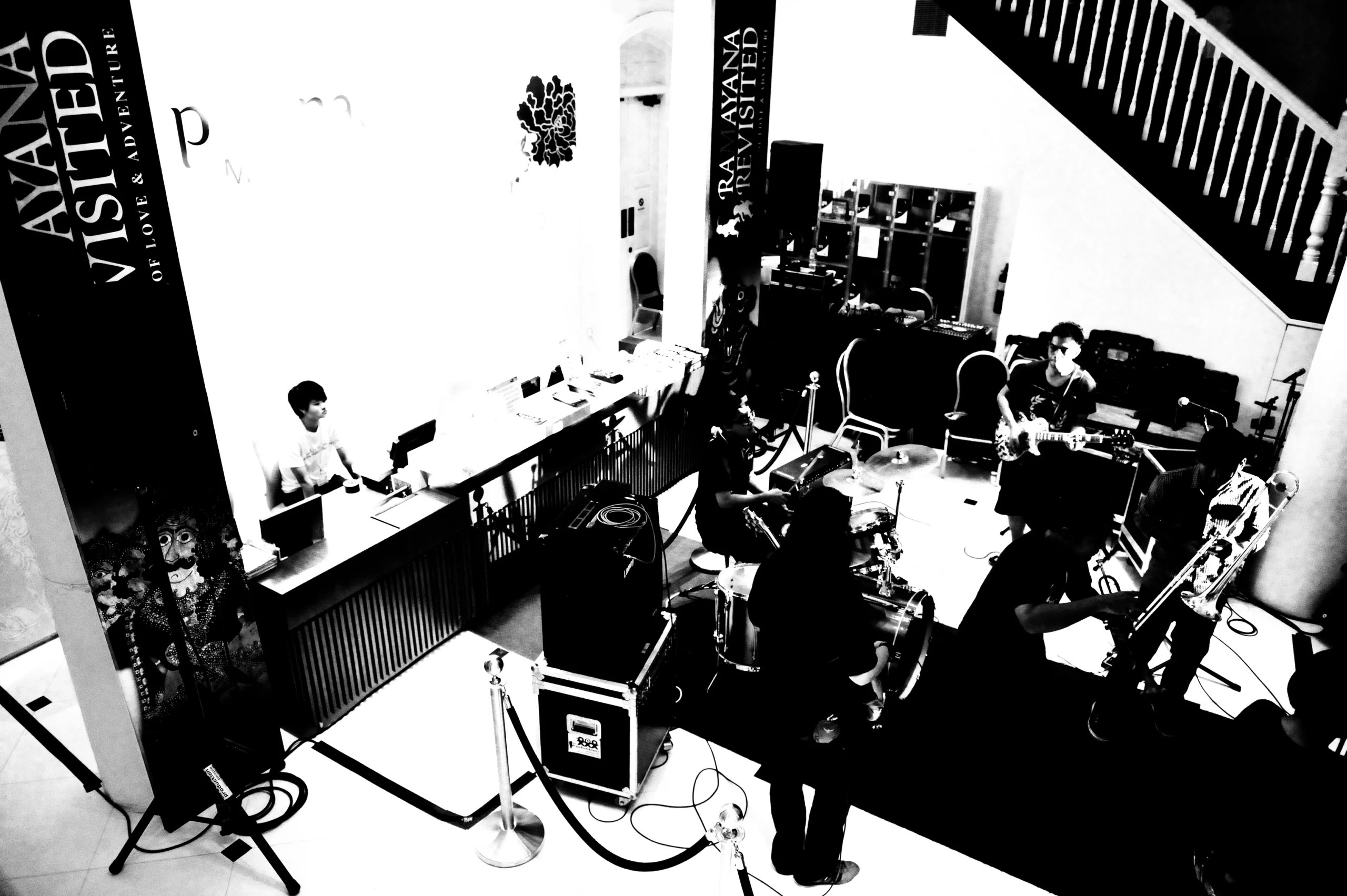
Step inside, and the high-ceilinged hall is brightly lit, filled with youngsters dressed in trendy clothing, socialising with one another, all appearing to have a good time. But that is not the first thing you notice. In the centre of the hall, at the reception area, a band is performing for visitors. Lively music moves your feet. And you wonder: Is this a museum?

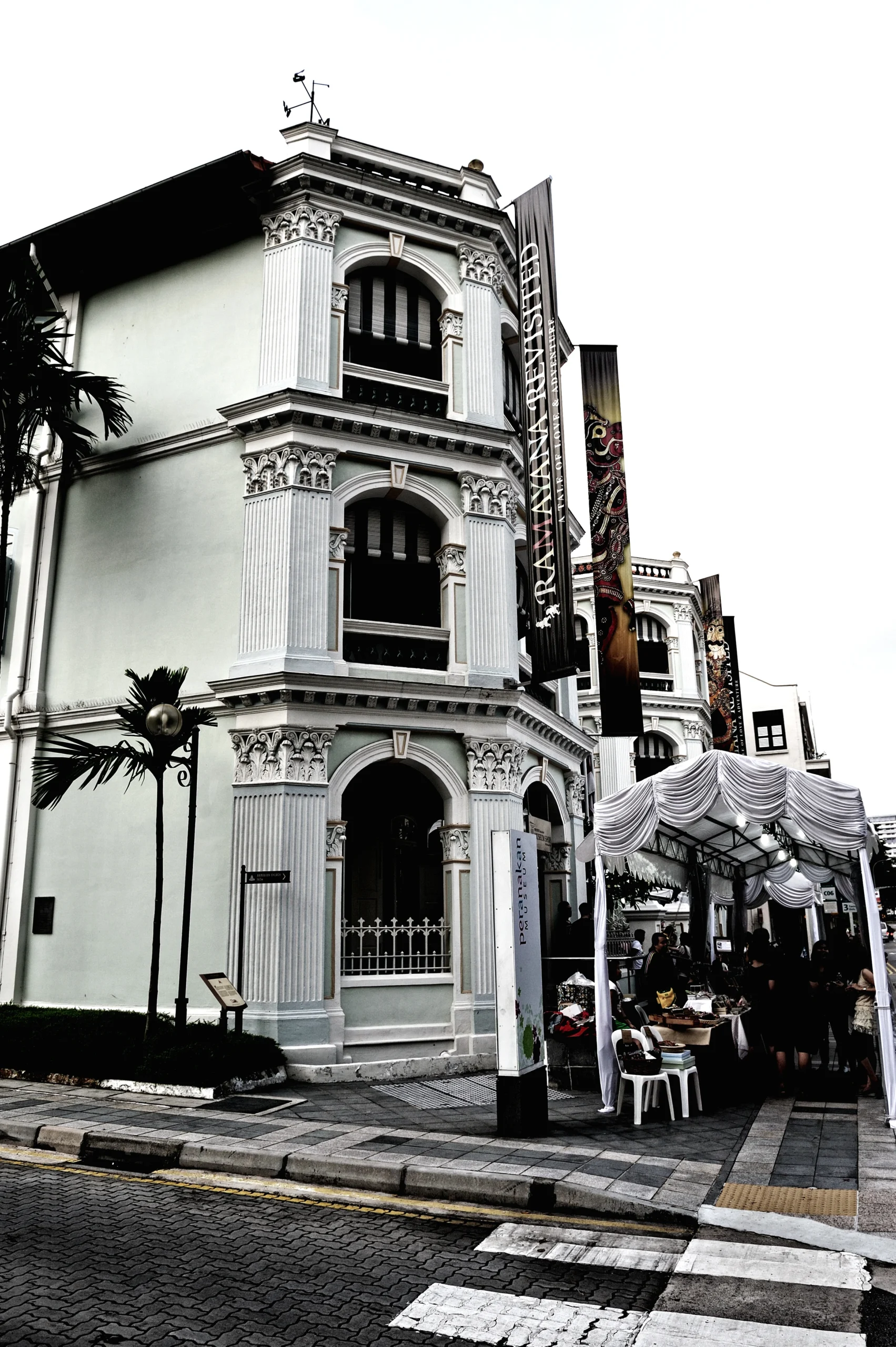
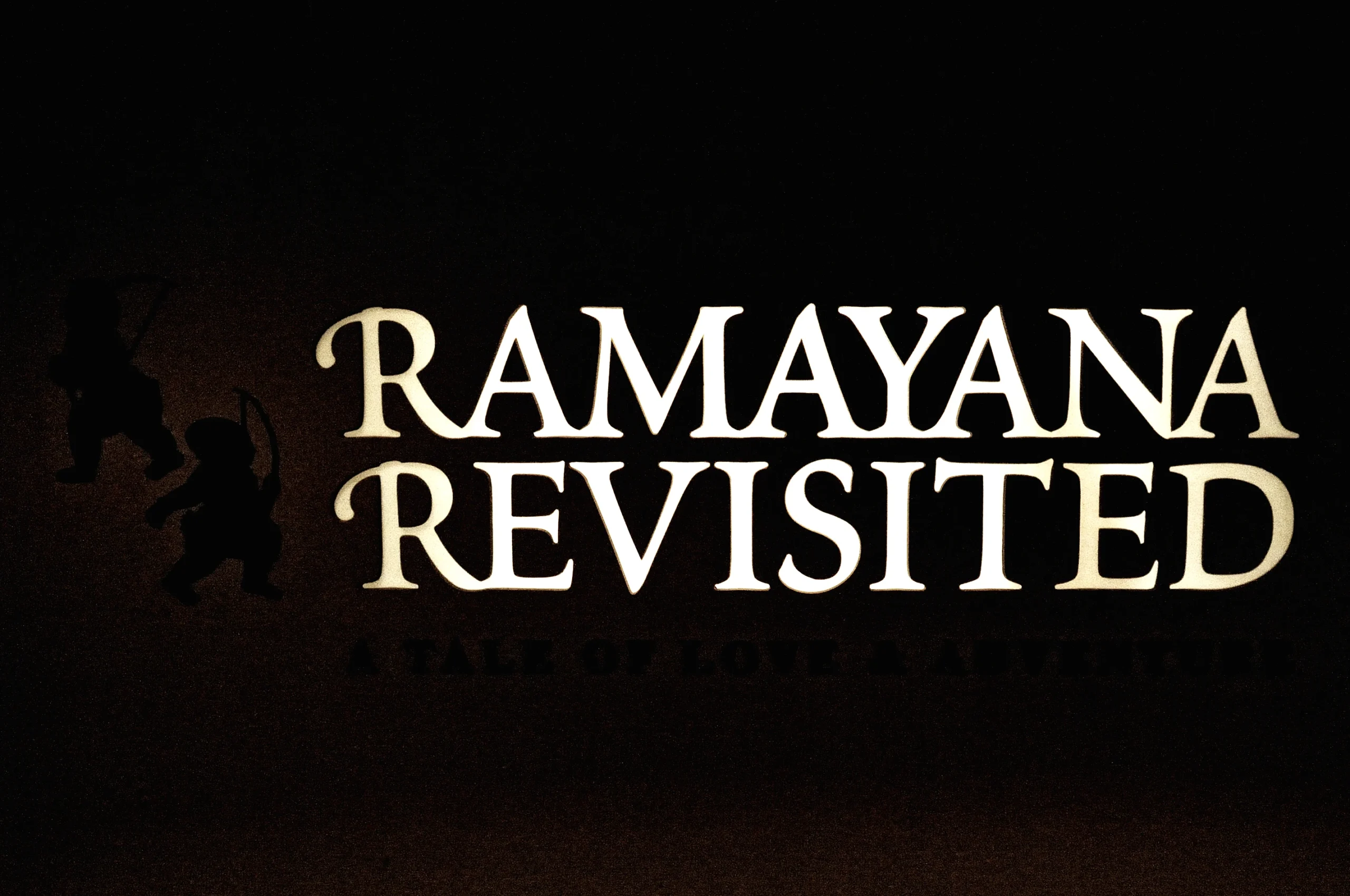
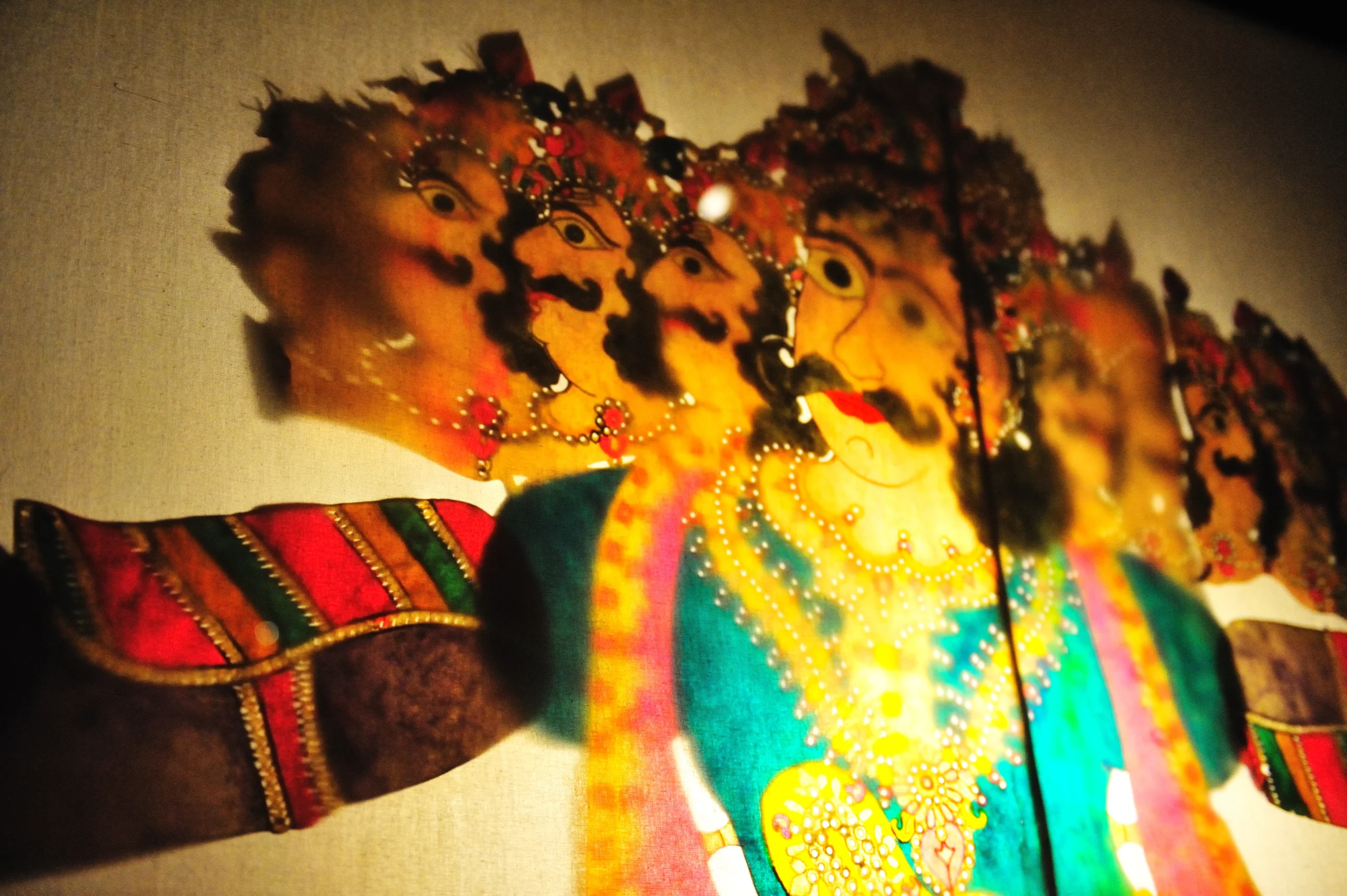
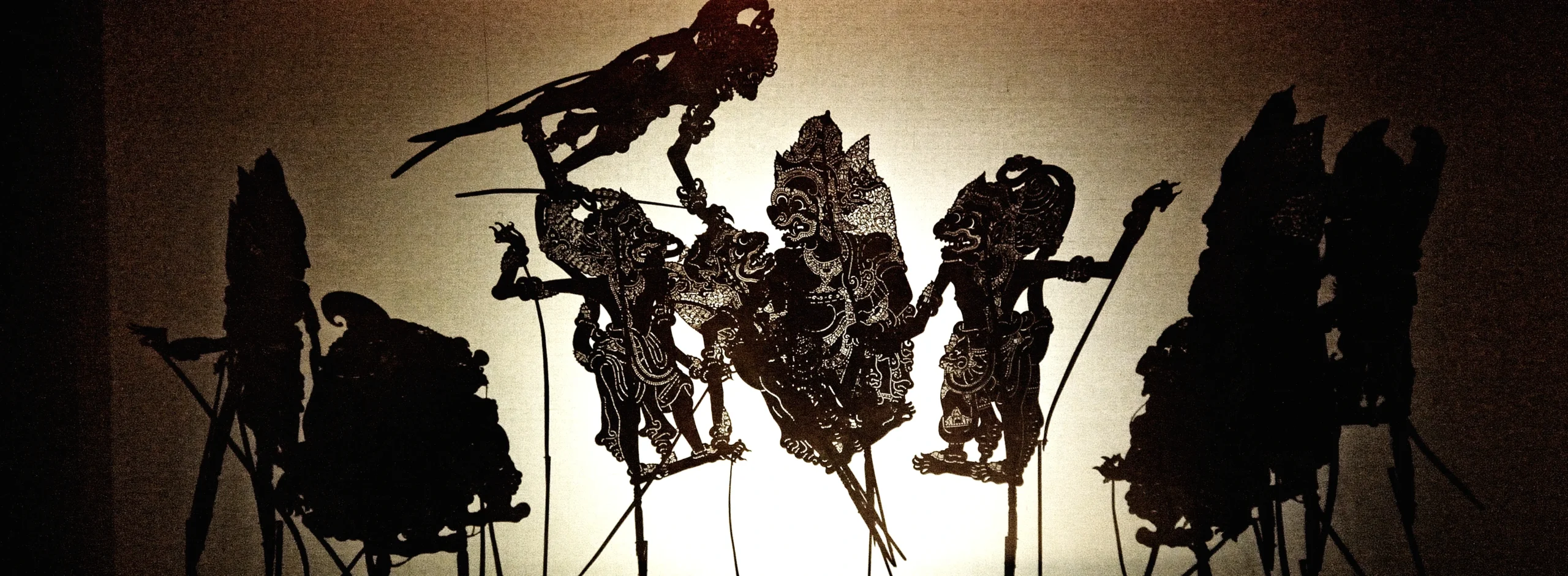
Some watch the band’s performance. A constant stream of people moves up and down the stairs on either side of the main hall, leading to different exhibition spaces. And if the loud music raises your eyebrows, once you walk into one of the exhibition halls—such as the special exhibition “Ramayana Revisited”—the volume of the live music fades away. Soon, what captures your senses are the artefacts and their stories.

Old, young, not-so-old—families, friends, and couples—all having a good time. And before long, you conclude: what a lovely way to spend an evening at the Peranakan Museum.

An Open House to Remember

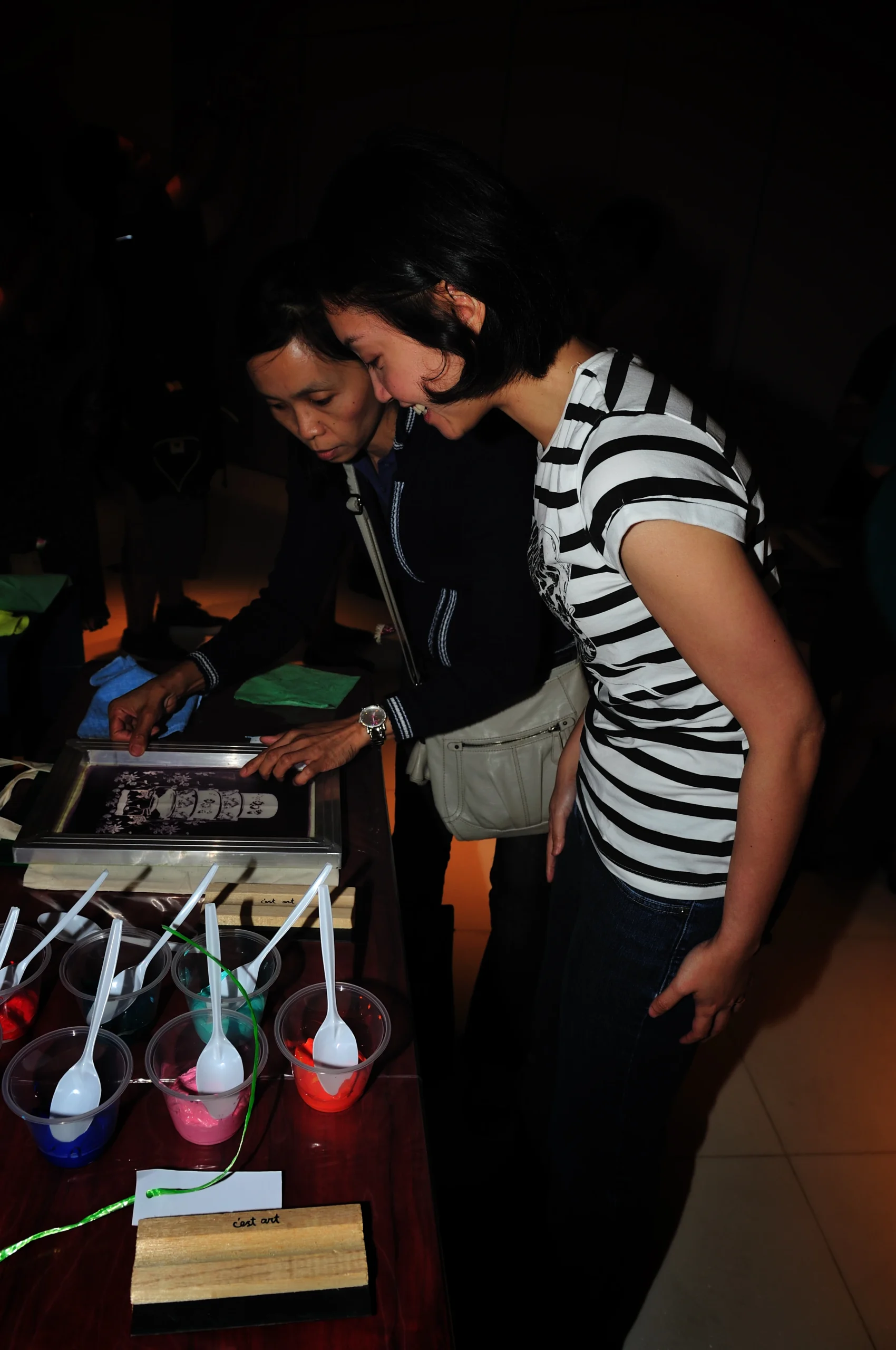
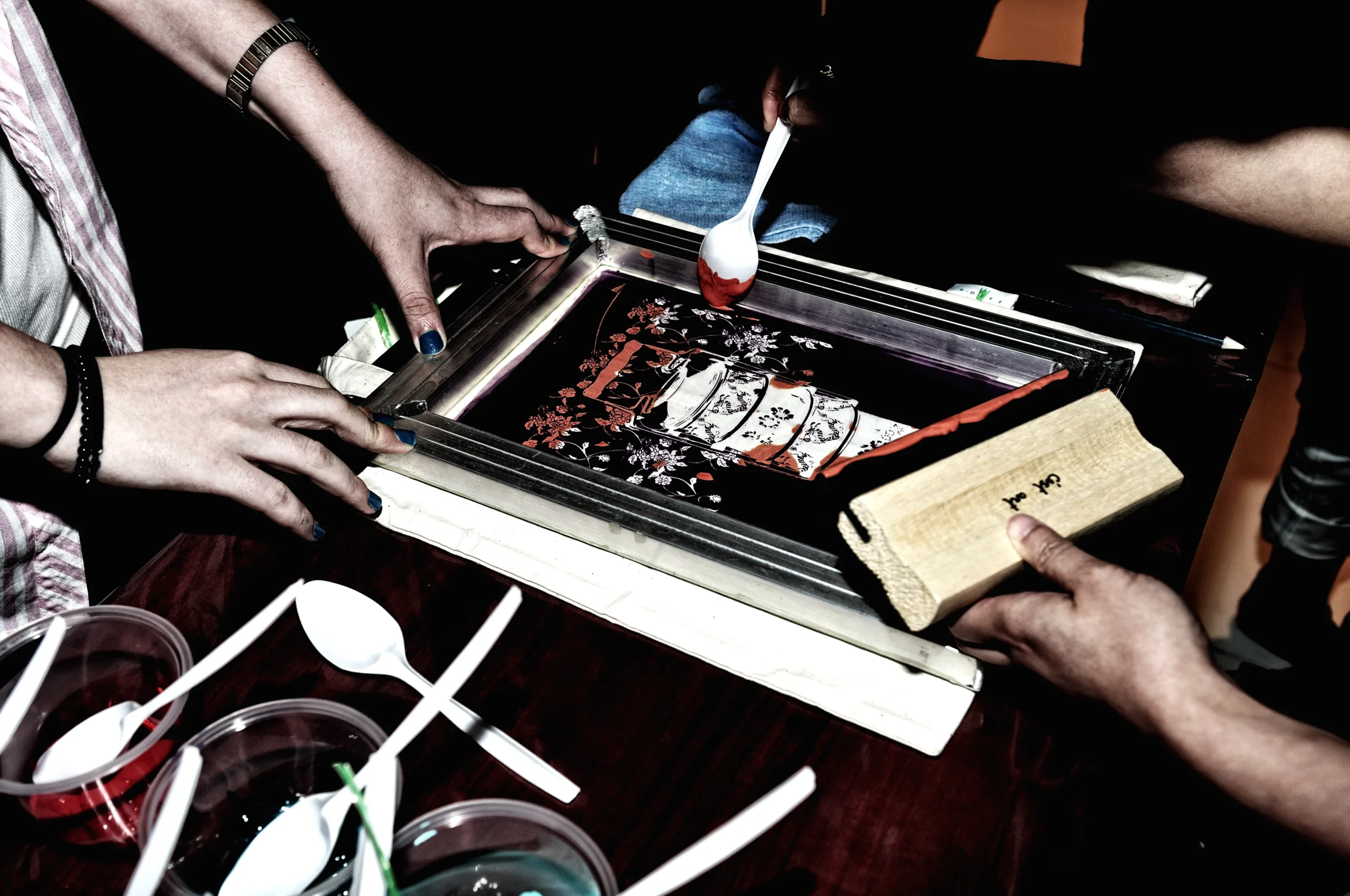
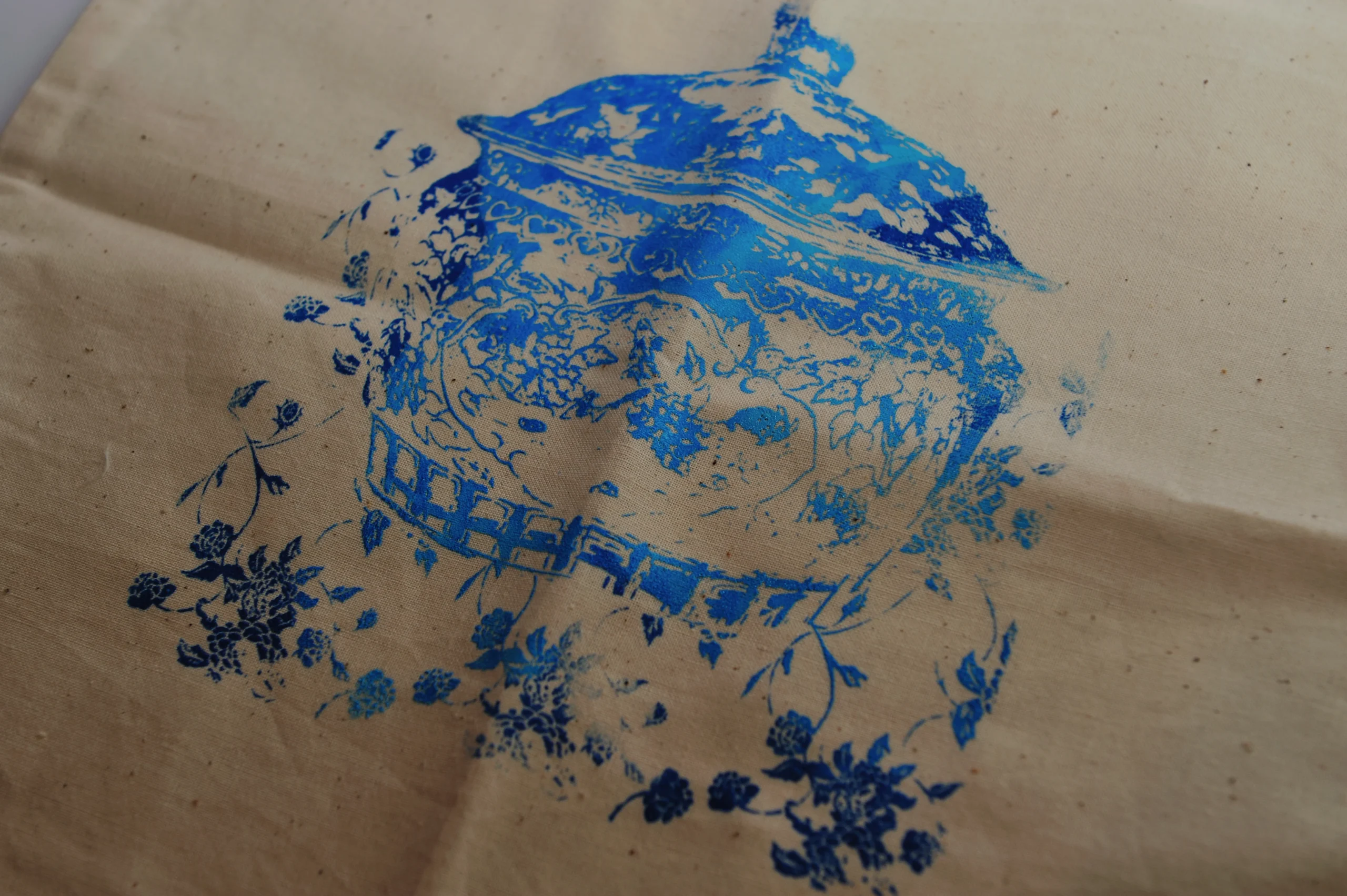
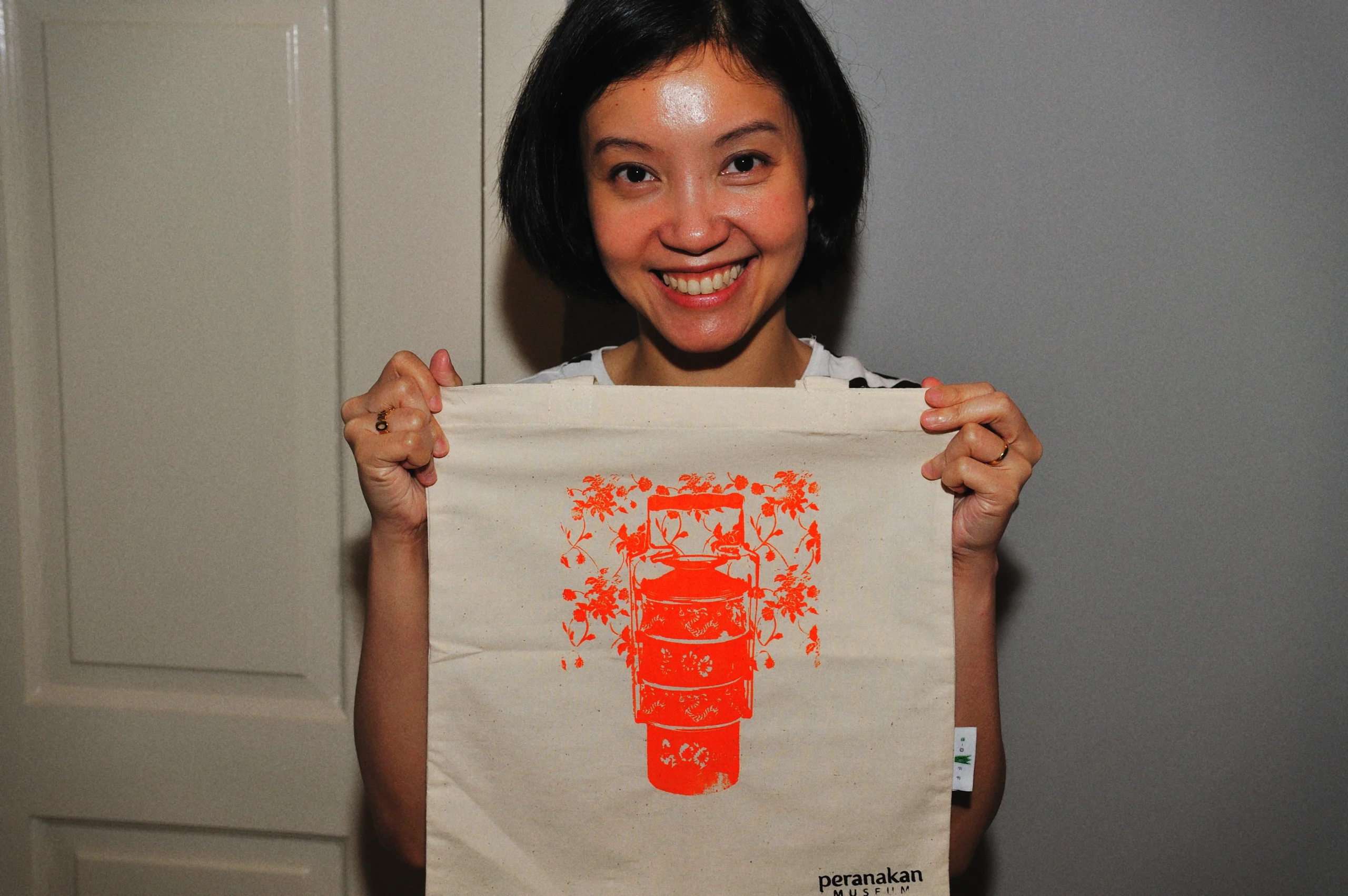
Cynthia and I were invited to the museum’s open house event. We have been to a few events organised by the Singapore museums, and this must be the liveliest of them all. Before we had the chance to make our own bags (see photos below), we were greeted by Ms Barbara Fras, Assistant Director of the Programmes Department, who took the time to introduce the museum to the bloggers.

The Peranakan Museum may seem small, but it attracts around 200,000 visitors a year, the majority from within Singapore. The museum features an interesting cross-cultural collection of artefacts (part of its collection is currently being exhibited in Paris), as well as a good line-up of engaging events that encourage visitors to return.

I think the make-a-bag session is a great idea. We get to keep the bags as souvenirs—what a lovely way to preserve a piece of memory at home in a tangible form.

Visiting Information

The Peranakan Museum’s website can be found here. The museum is located at 39 Armenian Street. You can check out upcoming events on their website. To enjoy discounted admission, you may wish to visit on Fridays between 7pm and 9pm (S$3 for adults).

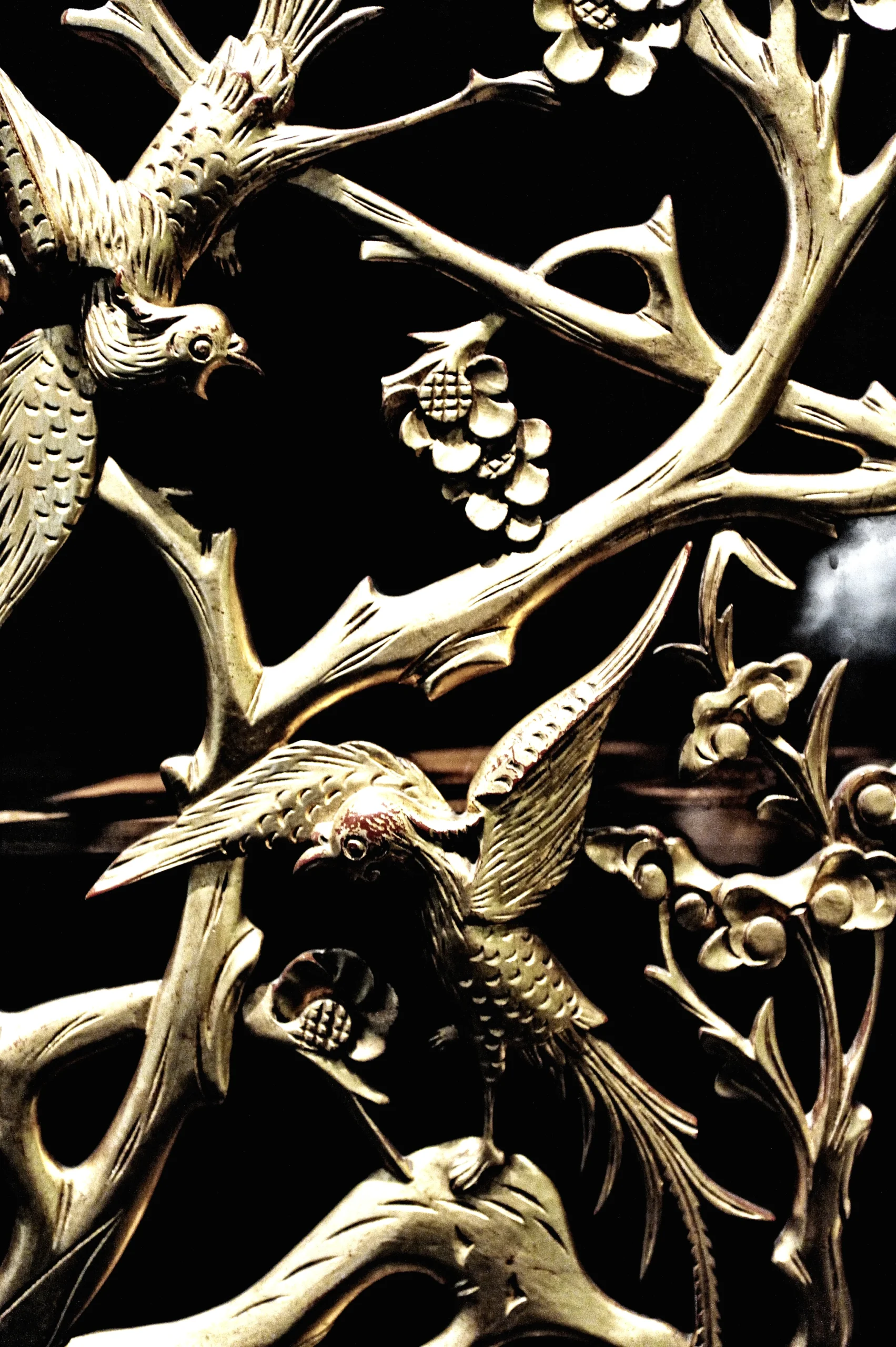
Below are some of the photos we took during the event.

2010 vs Now Reflection

Looking back at this post years later, as I revisited the museum 15 years later, what strikes me is not just how lively the museum felt that evening, but how I chose to describe it. Back then, I was surprised that a museum could feel “trendy” and “happening”. Today, that almost feels expected. Perhaps museums have changed. Or perhaps I have.

What hasn’t changed, though, is the quiet joy of discovering a place that gently shifts your expectations. Whether it is a museum filled with music, or a memory preserved in a handmade bag, these are small moments—but they stay with us longer than we realise.

And maybe that is what museums are really about.

Categories
Book Reviews Fiction

Book 1 Of Midnight’s Children – Wrapping Up Week 1 Read-Along

Before I write a wrap-up of my week one’s read-along progress, I have two confessions to make.  This activity was first conceptualized with Jo – the UK blogger – and I commenting on a list of books that we wish to have started reading but now collecting dust at our bookshelves.  You see, I have Rushdie’s “Satanic Verses” for years and have even downloaded a reference guide (as that book is known to be cryptic in nature) ready to have a go with it.  That never happens.  For reasons beyond my comprehension, I was (still am in a certain extend) convinced that I own a copy of  his other book – “Midnight’s Children”.  Maybe I do have a copy lying somewhere in my house.  Or maybe I have been thinking about reading “Midnight’s Children” for so long that its virtual existence has become closer to my home than, say, a bookstore.  On Nov 12, the Friday that this mini-global read-along began, I was frantically searching high and low for my copy of “Midnight’s Children” but it was nowhere to be found.  Have I accidentally purged the copy during one of my periodic overly enthusiastic spring cleanings?  I hope not.  Cursed at my procrastination (to be fair to Jo, this read-along has been announced months in advance) and my wild imagination of this virtually non-existence book, I reserved a copy from our national library.  I collected the book last Tuesday but the condition of the book is so poor that had “Midnight’s Children” been as light as, say, a chick-lit, I would still be able to mentally bypass its yuckiness and focus on its content.  This book is anything but.  So last Thursday evening, I have decided to invest my 6 days worth of lunch money and purchase a copy.  I am late for the game and that is embarrassing.  But it is better late than never.  My errors in my previous narration of my story thus far are purely unintentional – unlike Rushdie’s treatment to the narration of the book, which I am still undecided if his errors are indeed purposeful or accidental or a bit of both.

My second confession is that vocabulary is never my strength.  And I have this dislike to guess the meaning of words.  In the past, what I would do is to research on every word I did not fully understand and document them into an Excel spreadsheet together with an excerpt of the literature of which that word was used.  Alas!  I lost the password to that spreadsheet and so in finality, I put that obscure hobby of mine to rest, in peace.

Obsession dies hard, and hence, I crawled through the pages of “Midnight’s Children” looking up all the words that are unfamiliar to me.  To be fair, a lot of them are references to the Indian culture – such as pice, hartal, godown, kurta, and the ingredients of food commonly found in India – or to other religions I am not familiar with – such as Hinduism and Islam.  And I stopped my progress numerous times to research further on the buildings – such as Chandni Chowk, Red Fort, and Meenakshi Temple (I even took time to admire the images of these buildings) – and geographic locations mentioned in the book as well as the historic background that is foreign to me.  Like the Burma Campaign, the Rowlatt Act, and the birth of Pakistan and India.  From the historical perspective, the Rowlatt Act enacted by the British has led to the Jallianwala Bagh massacre.  Rushdie tells a story of the same massacre through one character – the grandfather of Saleem Sinai – in a rather comical manner.  The body count is close to what has been documented in Wikipedia.  Why am I so obsessed with numbers?  Because I am mentally prepared on Rushdie’s method in encrypting certain messages in form of numbers.  If possible, I would cross reference the numbers to the historical events and attempt verify where those segments of the story are based upon.  Still, there are numbers that I am unable to decipher, as of now.  Like that 8,420 pie-dogs or 630,000,000 particles of anonymous (for the latter, is he referring to the population of India back then?).  And still, there are words that do not exist in the dictionaries, that would take me probably another read to research upon them.  I am also intrigued by some of the references to well known Indian stories (not to me of course).  Such as Ramayana and Ravana.  And when Rushdie briefly mentions the curse Babar has on his son Humayun that all [Indian] schoolboys know, I put down the book and switched to Internet.  What is that curse about?  I found two possible explanations.  Either it is a curse of being appointed as a Maghul Emperor and have to face the betrayal by close relatives (Babar or Babur being the first Maghul Emperor and Humayun as the second).  Or more likely, it is related to the Kohinoor diamond that its successive royal owners either suffered untimely death or lost their kingdoms.  Now you know how I read this book.

“Midnight’s Children” is divided into 3 books.  647 pages in total (for my edition).  Book 1 occupies 161 pages of the entire book.  It is a good logical break as far as this 4 weeks read-along activity is concerned.  I am still undecided if the next logical break due next week should be the end of book two – 289 pages in total.  If you have not started reading with us, I urge you to join us today.  This book is a must read, from the literature point of view.  I would not have touched it had I not committed to this read-along.  I am a turtle reader and aim to complete the race one page at a time.  You too can do it!

In book one, Rushdie tells a story through Saleem Sinai who was born on the day when India gained independence, at the stroke of midnight.  And through Sinai’s narration, we travel back in time to how his grandfather met his grandmother, how his father met his mother.  It is more than a journey through time.  It is a journey through Kashmir, Amritsar, Agra, and Bombay; through the old and the new India.  Book one is a complete unit that has a climatic ending – a single celebrated event of the birth of a nation and the birth of the main character.  The author manages to tell a story of a population of millions through one character.  That is remarkable.

Now, back to the read-along activity, my responses to the questions posted by Jo are as follows.  As my reading progresses, I may change my mind for the first 5 questions.

1. Saleem describes himself as ”˜handcuffed to history’.  What do you think that this means, and do you think that this is true of him?

Take it at face value (after reading book one), it means that his destinies are chained to those of his country.  He has a strong belief that the events dated all the way from his grandfather’s time have led to his very existence, and would continue to affect his life.  In parallel to this, I think Rushdie wishes to say that the historic events dated all the way from Kashmir 1915 have led to India and Pakistan’s independence, and the destinies of these two countries would continue to be chained by Earl Mountbatten’s act of splitting British India in 1947.

2. The prose of Midnight’s Children has a distinctly filmic quality.  Why do you think this is, and what would be the implications of making a film of the novel?

It does read like a Bollywood production.  Would it work if making “Midnight’s Children” as a film?  Personally I think it would be a difficult task.  As some of the characters I suspect are used to refer to other neighboring countries or concepts.  And the flow of time is extremely fluid in the book.  It would be interesting to see how a filmmaker can transform this book into a film.

3. Unlike many novels, Midnight’s Children is not written using a linear narrative.  Why do you think that Rushdie uses this technique, and do you think that it is successful?

Thank God the story is not told linearly.  Otherwise, it would be rather boring, like reading a history textbook.  This style of narration builds a strong linkage between the present and the past.  I think that is why.

4. Saleem makes many errors in his narrative – both accidental and purposeful.  Why do you think that he does this, and why does he not bother to correct his mistakes?

To be honest, I suspect something is wrong with the narration but I cannot pinpoint in exactitude.  That may explain why there are parts that I find harder to follow.  But say, if his narrative is erroneous, it is not a surprise.  Because any story told in first person form is not to be trusted in totality, compares to a story told in third person form.

5. What is Padma’s role in the novel?

A meta-story, it seems to me.  A way to get readers’ involvement with the narrator, Saleem.  At times, I found myself saying the exact same thing as Padma.  And I giggled.

6. “What is so precious to need all this writing-shiting?” asks Padma (p. 24). What is the value of it for Saleem, do you think?

[Spoiler Warning:] Good question.  Consider the fact that the entire book one Saleem spent on narrating does not even come from his true family!  It is probably a birth story that he would not have hoped for (like the could-have-been unified India).  But since he has fully embrace himself as not only the children of midnight, but also children of time, it would appear to me that the history he inherited is just as important.

7. Saleem often appears to be an unreliable narrator, mixing up dates and hazarding details of events he never witnessed.  He also draws attention to his own telling of the story: “Like an incompetent puppeteer, I reveal the hands holding the strings…” (p. 65).  How much faith do you put in his version of events?

Not much.  That is why I research on the Internet whenever some historic events are being mentioned (for I cannot research on the the fictitious lives of Saleem and his family).  Some characters are real, some are not.  In any case, that is forgivable.  Saleem has not mentioned how his story is based upon (except some photographs).  That is the beauty of it all.

8. “To understand just one life, you have to swallow the world … do you wonder, then, that I was a heavy child?” (p. 109). Is it possible, within the limits of a novel, to “understand” a life?

Not within a novel, no.  But a novel does not need to provide readers all the intrinsic details.  The rest of the details are supplied by the readers (that is why I need to research on the Indian / Pakistan / Kashmir history because I have little).

9. Saleem’s father says of Wee Willie Winkie, “That’s a cheeky fellow; he goes too far.”  The Englishman Methwold disagrees: “The tradition of the fool, you know. Licensed to provoke and tease.” (p. 102).  The novel itself provokes and teases the reader a good deal.  Did you feel yourself “provoked”?  Does the above exchange shed any light on Rushdie’s own plight since The Satanic Verses?

Teased yes, provoked no.  Probably because I do not have a strong opinion on the history and religion of that region?  Since “The Satanic Verses” is published after “Midnight Children”, does that mean that Rushdie has foretold the coming of “The Satanic Verses”?  I am not sure.

10. How much of the novel, do you think, is autobiographical?

After reading this question, I have found out that Rushdie was indeed born in 1947, the exact year of Saleem’s birth.  I have not read book two and three.  If Saleem ends up marrying and divorcing and dating a few women of gorgeous quality like Rushdie does in real life, I may be able to give a more confident answer to that.

External Link: Week 2’s Discussion Questions

Categories
Book Reviews Fiction

Maynard & Jennica By Rudolph Delson – You Wouldn’t Want This Love Story To End

Once in a while, I would discover some books that are so unique and you want to know the sad part of the story?  I can never find another book quite like the ones I love, not even from the same author.  Like Nick Hornby’s “High Fidelity” and his endless top 5 lists.  I can be a hopelessly romance freak.  And I happen to like “Maynard & Jennica” quite a fair bit.

Reading “Maynard & Jennica” is almost like watching a romance comedy, and it is better.  The book is divided into five parts of uneven length.  Each part consists of a set of interviews conducted with the story’s characters.  Each character tells a fragment of a story from his or her perspective.  At times, the fragments overlap.  And it gets interesting to see how one incident can be recalled from two entirely different viewpoints, down to the dialog level.  I can promise you, when the characters bid their farewell, you really wish that they did not.

The plot centers around the love story of Maynard and Jennica.  And then we have Maynard side of the family, Jennica side of the family, Jennica’s friend side of the family, as well as other characters including Ana – Maynard’s “wife”.  If I read the book correctly, it is also about American Jews in love.  And hence, this unique Jewish culture within, which some of you may or may not be able to relate but certainly makes the story in a way exotic.

“Maynard & Jennica” is not perfect.  There are parts and characters that I humbly think can be edited away.  And the magic does not seem to sustain in the second half of the book, especially when September 11 is being brought into the picture.  There are also quite a few references to America.  I reckon for those who are not living in US, these references may be hard to relate.  These minor notes aside, “Maynard & Jennica” is a heartwarming story, with quite a number of memorable moments (I enjoy reading the part on playing Scrabble a lot).

I wish to quote a part of the book for sharing.  First, I must make some introductions here.  In this scene, Maynard is having an “argument” with his grandmother Rose in the presence of his mother Joan.  Rose is trying to ask how much money Maynard is making from his B-movie which leads to her criticizing Maynard for being a “lazy fool” for delaying his proposal to Jennica.  A part of the script told from Maynard’s perspective.

So – enough is enough.  I decided to explain, absolutely, for the two women who raised me, how I think about myself.  I put my fork down, I drank one swig of beer, and I said, “Gran, the lunch at Phoebe’s – this was the lunch when I tried to explain the following: That the proper aesthetic relationship between an individual of insufficient talent and his art is not a creative one – my mistake, at the forgivable age of ten or twelve – for, say, twenty years, and while those years are lost, I don’t regret them, and am now happy to be able to listen to, say, the first movement of Debussy’s La Mer with only awe, and not with envy or regret.  And that this generosity of aesthetic spirit extends for me into the realm of the moral, the day-to-day, the pedestrian, the aesthetic, as well.  And that as I resign myself to simply listening to Debussy, so too I want to stop demanding behavior – more tasteful, more stoic, loftier, and more dignified behavior – from my companions in life, and start simply enjoying whatever company their – company provides.  And thus it is not with sorrow but with satisfaction that I want to lay aside my struggles and – be nice.”

My mother said, “I have no idea what you’re trying to say.”

And Rose said, “He’s saying he’s a lazy fool, is what he’s saying.”

“Gran, is it possible that I am not a lazy fool?”

Categories
My YouTube

I Sing A Spanish Song: Caricias En Tu Espalda

If my band members are to know that I have recorded a cover song and shared the video with you here, they would flip.  Because I don’t usually do covers.  But in the spirit of learning Spanish, it is indeed fun to learn a Spanish song.  I am still not 100% sure on what the lyrics mean.  And I am still not 100% sure how the singer of the band Despistaos manages to pronounce some of the words in such a different way.  Since I have no idea how that works, I did my own interpretation instead.  Hope that doesn’t turn out too bad.

The title of the song is “Caricias En Tu Espalda”, which means “Caressing Your Back”.  The story evolves around what happened this morning.  There was a girl, a window, a ray of sunlight, a bed, a pillow, and her bare chest.  I think it is a beautiful song.

My interpretation of the lyrics goes something like this (Spanish version of the lyrics can be found in our Spanish class’s website):

This morning, a ray of sunshine has cast through your window, which is the window of my room.  It has appeared and caught me taking your hand.  This morning, it was really warm.

I left my forgotten shame at the bottom of a glass in the last bar.  The lost glance, the rusty voice, awake in your bed and it gets me to sing …

“Give me the time you don’t need and I promise to spend it to caress your back.  Give me the time you don’t need and I promise to spend it to caress your back.”

This morning, I remember I was better.  A pillow, your bare chest in the face.  You are gone and you have left me pretty worn out.  This morning, the heat was killing me.

I left my forgotten shame at the bottom of a glass in the last bar.  The lost glance, the rusty voice, awake in your bed and it gets me to sing …

“Give me the time you don’t need and I promise to spend it to caress your back.  Give me the time you don’t need and I promise to spend it to caress your back.”

Categories
Linguistic Photography Reflection

How I Met My Mother (At A Dumpster She Said)

In one Spanish class, our teacher Alejandra posed a question: How did you meet that someone important in your life? For those who have kids at home, you must have been bombarded by soul searching questions like this.  What a way to relive your childhood.  As for me, attending a Spanish class is as close to reflecting on my childhood education as I can get.

My mother often said: I found you in a dumpster. Looking back, that must be one of the most profound things I have come across at that very young age of mine.  A simple statement that encapsulates so many concepts.  I found you in a dumpster creates a disassociation, a resignation, and a diversion to the million possible emotions that went through my mother’s head when I was hopelessly naughty, when life seemed unbearable.  Often, I saw my mother silently staring out of the window in tears for hours.  And all I could say was I am sorry.  I guess back then it was hard for my mother to explain to her son how disappointed she was, how heartbroken she was.  Hence, I found you in a dumpster is a good proxy to sum up all her emotions.

Besides, I as a small kid would probably understand that statement better than her trying to tell me what she was going through.  Looking back, I guess it was also her way to teach me the notion of a two-way love.  Not just from her to me, but also I to her.  When I first conceptualized I found you in a dumpster, I thought it was a cool thing.  Monkey God (from a Chinese legend) came from a piece of worthless stone.  And I, from a dumpster.  But thinking deeper, I realized that the conveyed message was: You are not like me and hence you are not my son. Even as a very small kid, that blew.

I cannot recall how exactly my thinking process went.  I suppose my optimism has imbued in me since young.  All of a sudden, I have a mission in life.  I vowed to prove to my mother that I am indeed her son and I am going to make her proud.  What a long journey that became.  Over the years, my mother has subtly taught me that love is a two-way highway.  I too have to reach out to her.

Now that I am older and a little bit wiser, I am more and more convinced that she could well be saying I found you in a dumpster to herself, especially when the going got rough.  A reminder of how close she was to lose me in a hospital when the doctors and nurses informed her that my chance of survival was slim.  And that it turned out to be a blessing for her even if she has to accept me in whatever condition I was, so long as I live.  In another word, I was indeed lost and found, not in the most glamorous way.

I am not as articulated in Spanish.  The Spanish version of the story is as follows.  Thanks to Alejandra who corrected my grammar.  I think the Spanish tenses are intense.

La persona más importante en mi vida es mi madre.  Sin ella, yo no existo.  Sé que parece una tontería.  Cuando era joven, mi madre me decía de dónde venía, sobre todo cuando estaba enfadada conmigo.  Ella me decía que me encontró en el contenedor de la basura.   Cada vez que era travieso, me contaba la misma historia.   En el fondo, sé que ella me ama.  La metáfora de que me encontró en un contenedor de basura puede ser cruda.  Pero es un recuerdo constante del dolor que perdura para hacerme lo que soy hoy.

This entry has prompted me to work on a set of photos taken in my 2009 trip to Hong Kong.  My parents, Cynthia, and I have visited this garden.  If I remember correctly, the fossil stones and trees come from China.  My dad used to visit the garden often and he knows where the good spots are for photo taking.  Unfortunately, my photography skill was inadequate (I just bought my dSLR).  And I wish I had the white balancing card with me.  Nevertheless, for memory’s sake, below is a set of photos of the garden.

And another set for my family.

Categories
Diary I See I Write

David Archuleta, And The N8 Launch Event By SingTel And Nokia

Looking back, I think it was the little disagreements that glued Cynthia and I to American Idol.  Cynthia supported Elliott Yamin and I, Katharine McPhee.  We would debate for days that (a) I was not staring at McPhee’s boobs and mesmerized by her look and (b) I thought McPhee really sang well and sang really well.  But who would have thought that Hicks would beat those two?  Have you checked out the latest Christmas album by McPhee?  Even Cynthia agreed with me that she has a good voice, finally.  Season 6, I supported Jordin Sparks and Cynthia, Blake Lewis.  It was a dull season.  Nevertheless, you know how that season turned out.  In the following season, we have David versus David.  I think Cook rocked and Cynthia was in love with Archuleta.  Again, it was my shoulder that Cynthia cried on.  And then something happened in season 8.  Both of us supported Adam Lambert wholeheartedly.  And our hearts were shattered into millions of pieces.  Really?  The idol of the idol did not win?  We have boycotted American Idol since then.  The morale of the story?  I think I have a better chance to pick a better singer than Cynthia.

Ha!

OK.  Jokes aside.  One fine day, a media invite arrived at my mailbox.  It was on a Sunday.  Normally I would think twice because of this work-blog-life balance of mine.  Weekend is a time to do something very personal, may or may not be blog-able.  Before I hit that tentative reply button to that media invite, Cynthia exclaimed, “Can I come?!” and I went, “Erm … your were in love with Archie like 2 years ago.  Are you still a fan?”  I guess her undying love to Archuleta is as strong as mine to McPhee.

The event was organized by SingTel and Nokia for the launch of the Nokia N8 mobile phone.  Our hosts were Muttons (hilarious Singapore DJs) and David Archuleta was there to sing us 5 songs in an acoustic setting.  He does have a great voice, especially on stage.  Cynthia was in high spirit and so were the ecstatic fans in Zouk.  His new album “The Other Side Of Down” was released very recently and the fans already know all the lyrics!

We had Japanese food near Zouk and made it home in time for the final race of F1.  What an eventful weekend.  Here are a few photos to share.